%2Ffit-in%2F250x250%2Fguide_websites%2F30659%2Fimages%2F1745552773865474117083_122195226074215377_3667036473959247979_n.jpg&w=1920&q=100)
/users/bf7a8e93-4051-4ac1-8fa3-32f2f00ecbd3/ratecard/coho-salmon-fishing-toledo-2614-mk81fe9w.jpg)
%2F300x300%2Fusers%2Fbf7a8e93-4051-4ac1-8fa3-32f2f00ecbd3%2Fratecard%2Fcoho-salmon-fishing-toledo-2614-mk81fe9w.jpg&w=256&q=75)
%2F300x300%2Fusers%2Fbf7a8e93-4051-4ac1-8fa3-32f2f00ecbd3%2Fimages%2Fbest-great-fishing-wa-2609.jpg&w=256&q=75)
%2F300x300%2Fusers%2Fbf7a8e93-4051-4ac1-8fa3-32f2f00ecbd3%2Fimages%2F4-coho-salmon-wa-2626.jpg&w=256&q=75)
%2F300x300%2Fusers%2Fbf7a8e93-4051-4ac1-8fa3-32f2f00ecbd3%2Fimages%2Fsuccessful-fishing-trip-washington-2668.jpeg&w=256&q=75)
%2F300x300%2Fusers%2Fbf7a8e93-4051-4ac1-8fa3-32f2f00ecbd3%2Fimages%2Flone-angler-fishing-wa-2474.jpeg&w=256&q=75)
%2F300x300%2Fusers%2Fbf7a8e93-4051-4ac1-8fa3-32f2f00ecbd3%2Fimages%2F6-rainbow-trout-wa-fishing-2610.jpg&w=256&q=75)
%2F300x300%2Fusers%2Fbf7a8e93-4051-4ac1-8fa3-32f2f00ecbd3%2Fimages%2Ftrio-rainbow-trout-toledo-fishing-2552.jpeg&w=256&q=75)
%2F300x300%2Fusers%2Fbf7a8e93-4051-4ac1-8fa3-32f2f00ecbd3%2Fimages%2Ftrout-salmon-fishing-toledo-2739.jpeg&w=256&q=75)
%2F300x300%2Fusers%2Fbf7a8e93-4051-4ac1-8fa3-32f2f00ecbd3%2Fimages%2Fcoho-salmon-fishing-toledo-2614.jpg&w=256&q=75)
%2F300x300%2Fusers%2Fbf7a8e93-4051-4ac1-8fa3-32f2f00ecbd3%2Fimages%2Fcoho-salmon-toledo-fishing-2636.jpg&w=256&q=75)
%2F300x300%2Fusers%2Fbf7a8e93-4051-4ac1-8fa3-32f2f00ecbd3%2Fimages%2Fchinook-salmon-fishing-wa-2678.jpg&w=256&q=75)
Family Winter Steelhead Cowlitz Kalama Rivers
 Cowlitz River
What you will be catching:
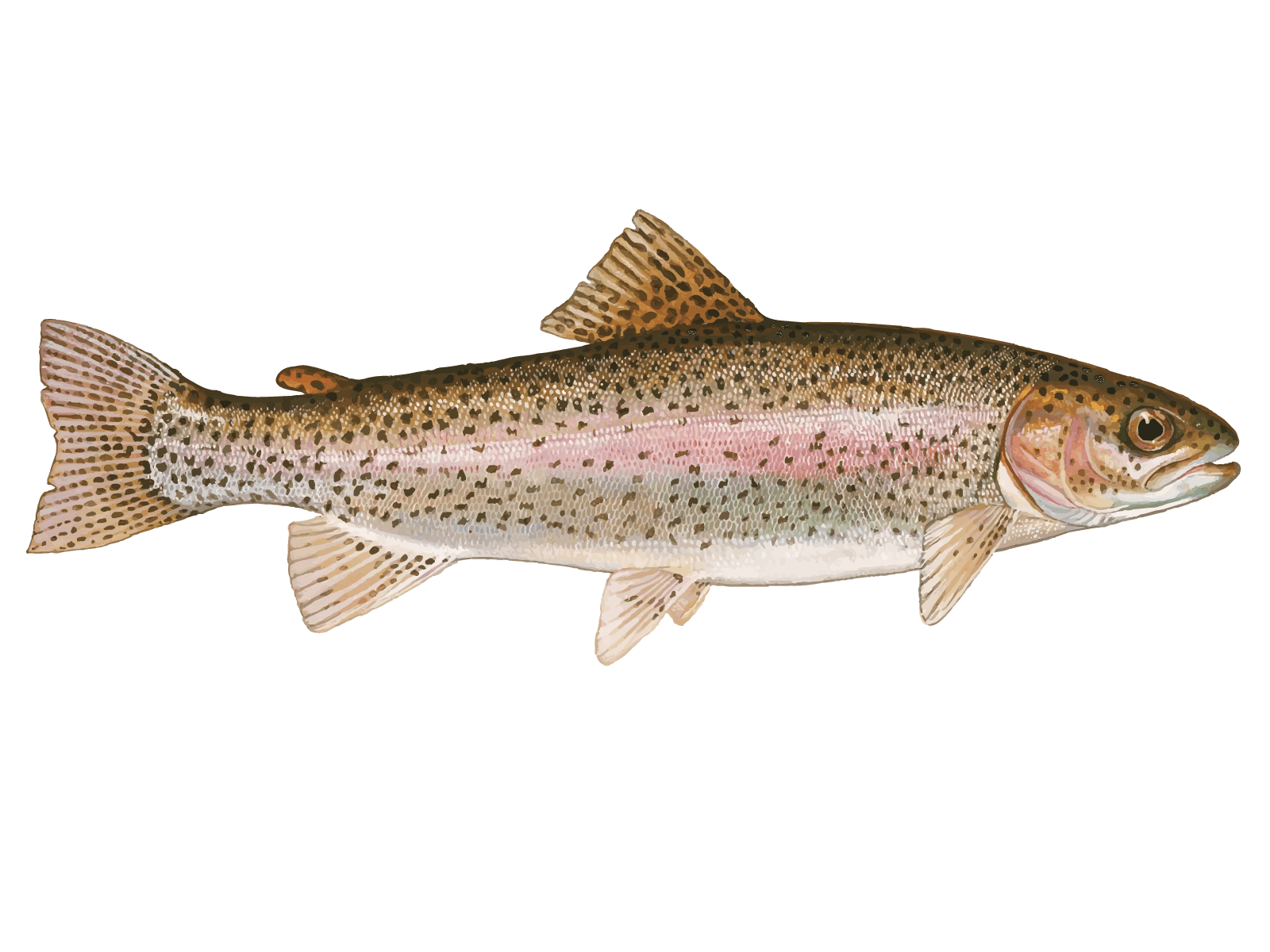
 Rainbow Trout
- Full-day winter steelhead fishing on Cowlitz and Kalama rivers
- Complete gear provision including rods, reels, and tackle
- Expert instruction covering water reading and drift techniques
Trip Pricing and Availabilities:
Winter Steelhead on Cowlitz & Kalama Rivers
There's nothing quite like pulling chrome-bright steelhead from the cold, clear waters of Washington's legendary Cowlitz and Kalama rivers. This full-day winter steelhead charter puts you right in the heart of some of the Pacific Northwest's most productive steelhead country. We'll spend eight solid hours working the best holes and runs these rivers have to offer, all from the comfort of a spacious 21-foot Alumaweld SuperVee Pro that's built to handle whatever Mother Nature throws our way. Whether you're a first-timer looking to learn the ropes or a seasoned angler wanting to dial in your winter techniques, this trip delivers the goods. All your gear is covered, so just grab your license, dress warm, and bring some snacks – we'll take care of the rest.
What to Expect on the Water
Winter steelhead fishing is a different beast than summer runs, and that's what makes it so rewarding. These fish are fresh, aggressive, and absolutely gorgeous when they come to the net. The Cowlitz and Kalama rivers offer distinct personalities – the Cowlitz runs bigger and has more varied structure, while the Kalama is tighter and more technical. Both hold trophy-class fish that'll test your skills and make your day. Our 21-foot Alumaweld is designed specifically for Pacific Northwest conditions, with plenty of room for up to two anglers to work comfortably without getting in each other's way. The enclosed cabin keeps you warm during breaks, and the stable platform gives you confidence when fighting fish. We'll move between productive spots throughout the day, reading water conditions and adjusting our approach based on what the fish are telling us.
Techniques & Tackle
Winter steelhead demand a methodical approach, and we'll cover all the essential techniques that consistently produce fish on these rivers. We'll start with drift fishing using traditional setups – think pencil lead, quality swivels, and proven baits like cured roe, sand shrimp, and artificial offerings. Float fishing is another deadly technique we'll employ, especially in the deeper holes where steelhead like to hold during cold snaps. All rods, reels, and terminal tackle are included in your trip, and I keep everything dialed in and ready to fish. We run quality gear that can handle the fight these fish bring – medium-heavy rods with sensitive tips, smooth-dragging reels, and fresh line that won't let you down when it counts. Throughout the day, I'll walk you through reading water, proper drift presentation, and how to detect those subtle winter takes that separate successful steelheaders from everyone else.
Top Catches This Season
Rainbow trout – specifically the sea-run variety we call steelhead – are the stars of this show, and winter brings out the best in these fish. Fresh from the ocean, winter steelhead are absolutely stunning creatures that fight like nothing else in freshwater. These chrome rockets typically range from 6 to 15 pounds on our local rivers, with the occasional fish pushing into the high teens. What makes winter steelhead so special is their aggressive nature and incredible strength. Unlike their summer cousins that have been in the river for months, winter fish are fresh, mean, and ready to scrap. They'll make screaming runs, jump clear out of the water, and test every knot in your setup. The Cowlitz and Kalama systems are perfectly suited for these fish, offering the cold, oxygenated water they crave and the spawning habitat that draws them back to their birthplace. December through March represents prime time for these runs, with February often producing the most consistent action. The thrill of watching your rod tip bounce, setting the hook on a fresh steelhead, and feeling that initial surge of power never gets old – it's what keeps anglers coming back to these rivers year after year.
Time to Book Your Spot
This family-friendly winter steelhead charter represents some of the best fishing Washington state has to offer, and spots fill up fast during prime season. The combination of expert guidance, top-notch equipment, and access to two of the region's most productive steelhead rivers makes this a customer favorite among both locals and visiting anglers. Whether you're looking to introduce someone new to the sport or want to improve your own winter techniques, this eight-hour adventure delivers real value. The intimate two-person capacity ensures personalized attention and plenty of opportunities to get hands-on experience with proven steelhead methods. Don't let another winter season pass without experiencing the rush of hooking into fresh chrome on these legendary waters – book your trip today and see why the Cowlitz and Kalama rivers have earned their reputation as world-class steelhead destinations.
Learn more about the species
Rainbow Trout
Rainbow trout in these waters typically run 12-16 inches, with some reaching 20+ inches. You'll find them holding in deeper pools, behind boulders, and along undercut banks where the current slows. They love cold, oxygenated water and stay active even in winter conditions. What makes them special is their aggressive strike and acrobatic fight - they'll jump clear out of the water trying to throw your hook. The pink flesh makes excellent table fare too. Winter fishing can be productive since fewer anglers are on the water and fish are concentrated in prime holding spots. Here's a local tip: focus on the slower water just downstream of faster runs where they wait for food to drift by.
About the Tight Lines Northwest
%2F%2Fusers%2Fbf7a8e93-4051-4ac1-8fa3-32f2f00ecbd3%2Fvehicle_picture%2F327447401_699643351940968_5079497024847033747_n.jpg&w=1920&q=75)
Vehicle Guest Capacity: 5
Manufacturer Name: Honda
Maximum Cruising Speed: 35
Number of Engines: 1
Horsepower per Engine: 135